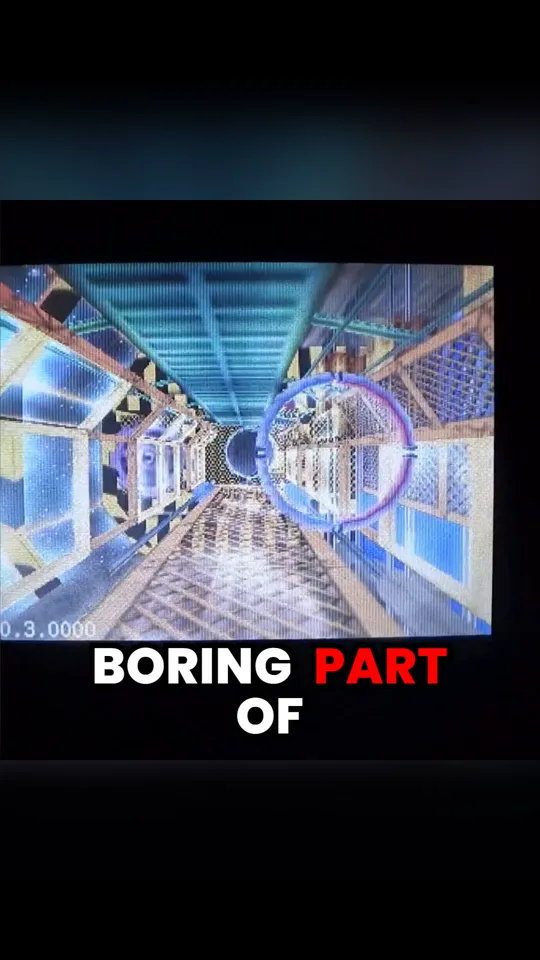
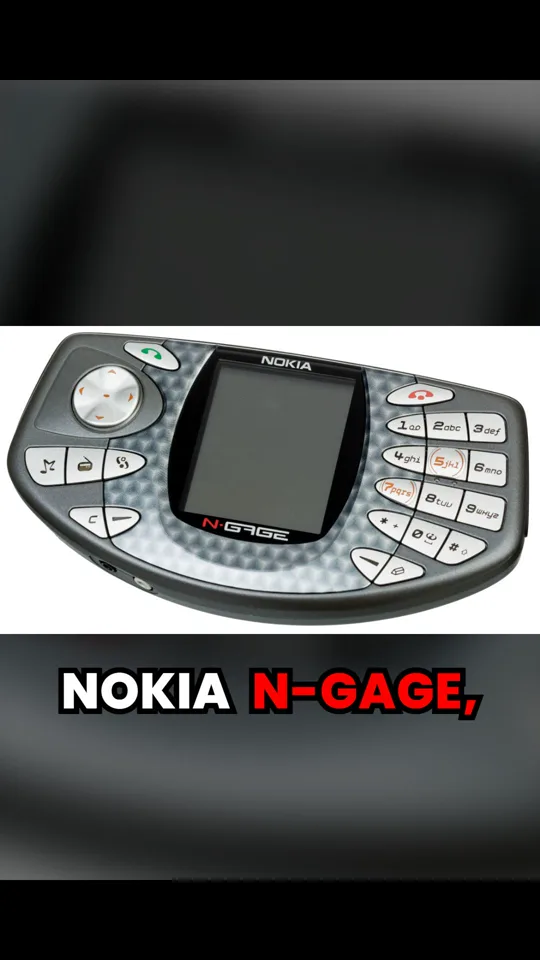
Takeshi's Challenge (Takeshi no Chōsenjō) came out on the Famicom in Japan on December 10, 1986, developed by Nova and published by Taito. Takeshi Kitano, a TV comedian, designed it. The box and manuals call the game practically impossible.
A TV comedian designed it, and Taito let him
Kitano appeared on Japanese television as "Beat" Takeshi, and in 1986 he was also the lord of the castle in Takeshi's Castle, which began airing on TBS that May. The game came out seven months later. He had no part in the Family Trainer game Totsugeki! Fūun Takeshijō that carried his name. Taito's 2017 press release calls it his first game supervision project.
How the plot started depends on who tells it. Legend has it that Kitano drank heavily during the meeting with Taito's designers. Kitano's own version is an hour-long talk in a café near his production company. Either way, many of his ideas were rejected because the Famicom could not do them or because they were unsuitable for young children. What stayed in still lets you punch anyone, from your boss to old men, repeatedly in the face.
Retronauts guesses at why Taito went along with Kitano's demands: a chance to try ideas the company would not otherwise put its name to, or a wish to keep his license. It calls the result competently manufactured.
On December 9, 1986, the day before release, Kitano was involved in the attack on the magazine Friday. The game shipped on schedule anyway. Two TV ads promoted it, one with Kitano singing karaoke and one with him yelling "Come out!" into the second controller. Both turned out to be hints.
To reach the treasure you divorce your wife and quit your job
You play a salaryman who is tired of his life, and nothing in the game says what to do about it. The goal is treasure on Hintabo Island. Before you can get there, you have to beat up the old man who gave you the map, divorce your wife and quit your job. If you skip any of it, you are sent home or the old man gets to the treasure first, and the game ends.
The divorce costs about three quarters of your money. Hostile yakuza often attack you, and you get health back by drinking tequila at a bar or sleeping at a hotel on the island. In the hang glider stage you can fire one bullet at a time, ascend only on gusts of wind and survive exactly one collision with an enemy.
The second controller's microphone is used primarily in the karaoke bar. You need a "good" rating three times, and a "lousy" one sends you back to the start. The treasure map appears only if the player sits without touching the controller for an entire hour. The quicker route is to wait between five and ten minutes and then scream into the mic. Screaming outside that window forces a restart. The "Come out!" ad was the hint.
Nothing tells you what to do, and the strategy guide was wrong
Retronauts calls most tasks entirely untelegraphed. Its examples include pressing the wrong button on the password screen and forgetting alimony before you board the plane. Any screen can kill you or block progress. Saves use passwords. One wrong character costs you the run.
Oota Publications' strategy guide was wrong. After hundreds of buyers phoned in to say the game could not be completed, a second edition followed.
There is a way to skip ahead. Throwing 30,720 punches on the title screen takes you to the final stage. The ending is a small picture of Kitano's face with the message "Why are you taking this game so seriously?"
Famitsu ranked it first among kusoge, and Game Center CX opened with it
It placed first in Famitsu's kusoge ranking, the Japanese term for crap games. Sales figures disagree. A Taito source puts it at 800,000 copies. Den of Geek gives around 80,000 and attributes it partly to Kitano's popularity in the 1980s.
Researchers Douglas Wilson and Miguel Sicart called it "an especially outrageous example of abusive game design" and wrote that the majority of its players were children. Retronauts takes the opposite line: it argues the game is deliberate, cruel childishness and not a true kusoge, and puts it beside Super Mario Bros. as an early auteur work on a console. The two met for real at the 2007 Retro Game Awards at Tokyo Game Show, where Takeshi's Challenge was nominated and Super Mario Bros. won.
When Game Center CX, the show where comedian Shinya Arino plays old games on camera, aired its first episode on November 4, 2003, this was the game. Arino cleared it. He came back to it in a live broadcast special on April 12, 2009, and failed. Two other games carried Kitano's name, Takeshi no Sengoku Fūunji and Totsugeki! Fūun Takeshijō, and he had no involvement in either.
Where to play it today
Taito never released the Famicom game outside Japan, so there was never an NES cartridge. An English fan patch by ROM modder KingMike was reported in December 2011, and Engadget advised finding an English strategy guide before trying it.
The game also got an official rerelease on the Wii Virtual Console in Japan on March 31, 2009. On August 15, 2017, Taito released it on iOS and Android in Japan, for 840 yen including tax. That version has widescreen support, a new America stage reached through New Narita Airport and new music from Taito's Zuntata sound team. Retronauts adds save slots and virtual controls, including a button for the microphone, to the list. There is also a Hintabo language test that grades you on the island's made-up language and lets you post the result to social media.
The app came with the game's first official merchandise in 31 years: a T-shirt with scenes from the game, and a microfiber towel printed with the game over screen.
Questions people ask
What is Japan's hardest game?
There is no official ranking, so no game holds that title. Takeshi's Challenge is a strong candidate: Famitsu put it first in its kusoge ranking, and its box and manuals call it practically impossible.
Is Takeshi's Challenge based on Takeshi's Castle?
No. Both involve Kitano, and both date from 1986, but the game is a salaryman adventure with its own plot. Kitano was not involved in the Family Trainer game Totsugeki! Fūun Takeshijō either.
What is the American version of Takeshi's Castle?
The best known is Most Extreme Elimination Challenge (MXC) on Spike TV, which dubbed the original footage with new English comedy. Two earlier American versions also existed: King of the Mountain on Fox in 1990 and Storm the Castle on CBS in 1993. None of them is connected to the video game.
Was Takeshi's Challenge released on the NES in English?
No. It only came out on the Famicom in Japan, and the official Wii Virtual Console and 2017 phone versions were Japanese releases too. To play it in English you need the fan translation patch for the Famicom ROM.
Sources
- Takeshi's Challenge (Wikipedia)en.wikipedia.org
- Takeshi's Challenge: a closer look at the worst videogame of all time (Den of Geek)denofgeek.com
- Taito Classics Takeshi no Chousenjou: the Famicom's trashiest masterpiece, revisited (Retronauts)retronauts.com
- Takeshi's Challenge now available on iOS and Android in Japan (Gematsu)gematsu.com
- One of the hardest NES games ever translated to English (Engadget)engadget.com
- Takeshi's Castle (Wikipedia)en.wikipedia.org
- List of GameCenter CX episodes (Wikipedia)en.wikipedia.org
- たけしの挑戦状 smartphone version announcement (Famitsu, August 14, 2017)famitsu.com
- Takeshi's Challenge gets its first official merchandise in 31 years (Taito press release, value press)value-press.com